
Functional training equipment for strength and conditioning
Functional training equipment offers ways to combine strength, conditioning and explosive movements. Explore battle ropes, training sleds, climbing ropes and bodyweight tools for varied workouts suited to your goals and available space.
Different exercises involve several muscle groups together and can challenge stability, coordination and endurance. Choose the equipment, load and exercise difficulty to suit your experience, whether you train in a gym, personal-training studio or home gym.





What is functional training?
Functional training centres on movements such as pushing, pulling, carrying and controlling your body weight. The emphasis depends on the exercise and your goals. It can complement other forms of strength training, with suitable exercise selection and progression allowing you to work on strength, balance and conditioning.
Battle ropes and training sleds
Battle ropes involve repeated rope movements that challenge the arms, shoulders and core during conditioning sessions. Rope length, diameter and exercise tempo affect the effort required. Training sleds offer pushing or pulling exercises, depending on their design and attachments. Check the permitted training surface, load capacity and space needed for a clear route.
Bodyweight training
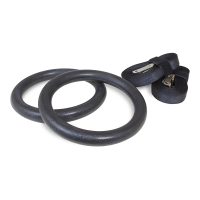
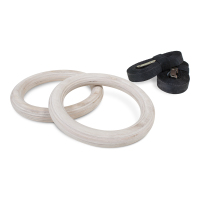
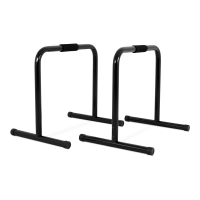
Gymnastic rings and portable parallel bars provide options for exercises such as ring rows, dips and push-ups, where the equipment permits. Adjust the exercise to your level and use a range of motion you can control. Rings require suitable anchor points; freestanding bars need a stable surface and positioning according to the manufacturer’s instructions.
Grip and climbing exercises
Climbing ropes can be used for rope climbs when the rope, attachment and training area are suitable. These exercises place demands on grip, arms, shoulders, back and core, with leg involvement depending on technique. Chalk can help manage hand moisture and reduce slipping, but does not directly build grip strength. Check installation requirements, load limits and appropriate fall protection before climbing.
Choosing equipment for your training space
Compare dimensions, intended use, anchoring requirements and the room needed for the full movement. Not every tool or exercise suits a beginner without adaptation or instruction. Combine equipment that fits your programme, and for frequent professional use check that each product is rated for the expected workload.
