
Neoprene-coated kettlebells
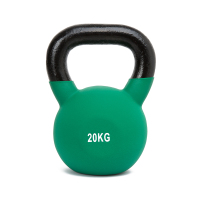
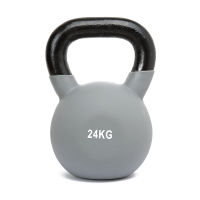
A neoprene kettlebell combines a solid cast iron core with a softer outer coating. Use it for swings, squats, presses and other strength and conditioning exercises. Choose from different weights for home workouts, group classes and professional training.

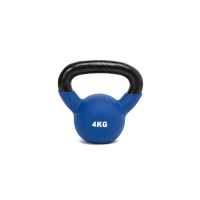
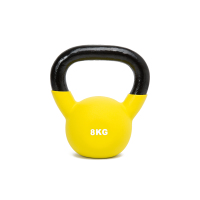
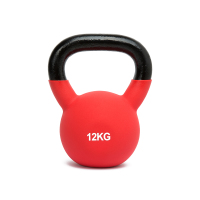
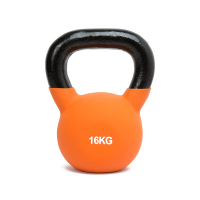
What is a neoprene kettlebell?
A neoprene kettlebell is a cast iron training weight with a neoprene coating around its body. This layer feels softer than bare iron and helps limit direct contact with the floor. The handle is usually left uncovered for a firm grip. Check the handle finish and dimensions of the model you choose.
What are the benefits of neoprene coating?
The coating can be practical at home, in personal training studios and in group exercise spaces. It can help limit scratches from direct metal contact and feel more comfortable when the body of the kettlebell rests against your arm. It does not guarantee floor protection or make the weight suitable for dropping. Always set it down with control on an appropriate surface.
Which exercises can you do?
Kettlebells can be used for strength and conditioning. Common exercises include swings, goblet squats, deadlifts, shoulder presses, rows and lunges. Experienced users also perform cleans, snatches and Turkish get-ups. Combining exercises in a circuit provides a varied full-body workout; choose movements you can perform with control.
Which kettlebell weight do you need?
The right weight depends on your experience, strength and exercise. Technical and overhead movements often need a lighter load than swings, squats or deadlifts. Beginners should start with a weight they can control throughout the movement. Several weights allow you to match the load to each exercise and progress gradually.
Neoprene, cast iron or competition kettlebells?
A neoprene-coated model suits those who prefer a softer outer surface. A conventional cast iron kettlebell generally has no soft outer layer, although it may be painted or powder-coated. Competition kettlebells usually share the same outer dimensions across weights within a range, helping keep positioning consistent. Compare handle dimensions as well as weight.
Are neoprene kettlebells suitable for home use?
They are compact and offer many exercise options without a large machine. Choose a model with a stable base and use a suitable, firm training surface or mat that does not compromise your footing. Leave ample space for swings and keep the area clear. A flat base does not automatically make a kettlebell suitable for supporting your body weight on its handle.
Storing neoprene kettlebells
After use, place the kettlebell securely on its base and store it in a dry location according to the manufacturer’s instructions. A kettlebell storage rack keeps several weights organised; check its dimensions and capacity. Inspect the coating and handle regularly and avoid sharp surfaces that could damage the neoprene.
Want to compare other types? Explore our full range of kettlebells for strength training, functional training and full-body workouts.
